Campo Sheet Metal offers water jet cut components with extremely tight tolerances. The water jet can cut a wide variety of materials beyond steel. Whether it be wood, rubber, tile, granite or metal, our water jet can cut it. With some of the largest water jet tables in the country, an over sized plate isn’t a problem. The cutting window on our largest table is 14′ X 40′.
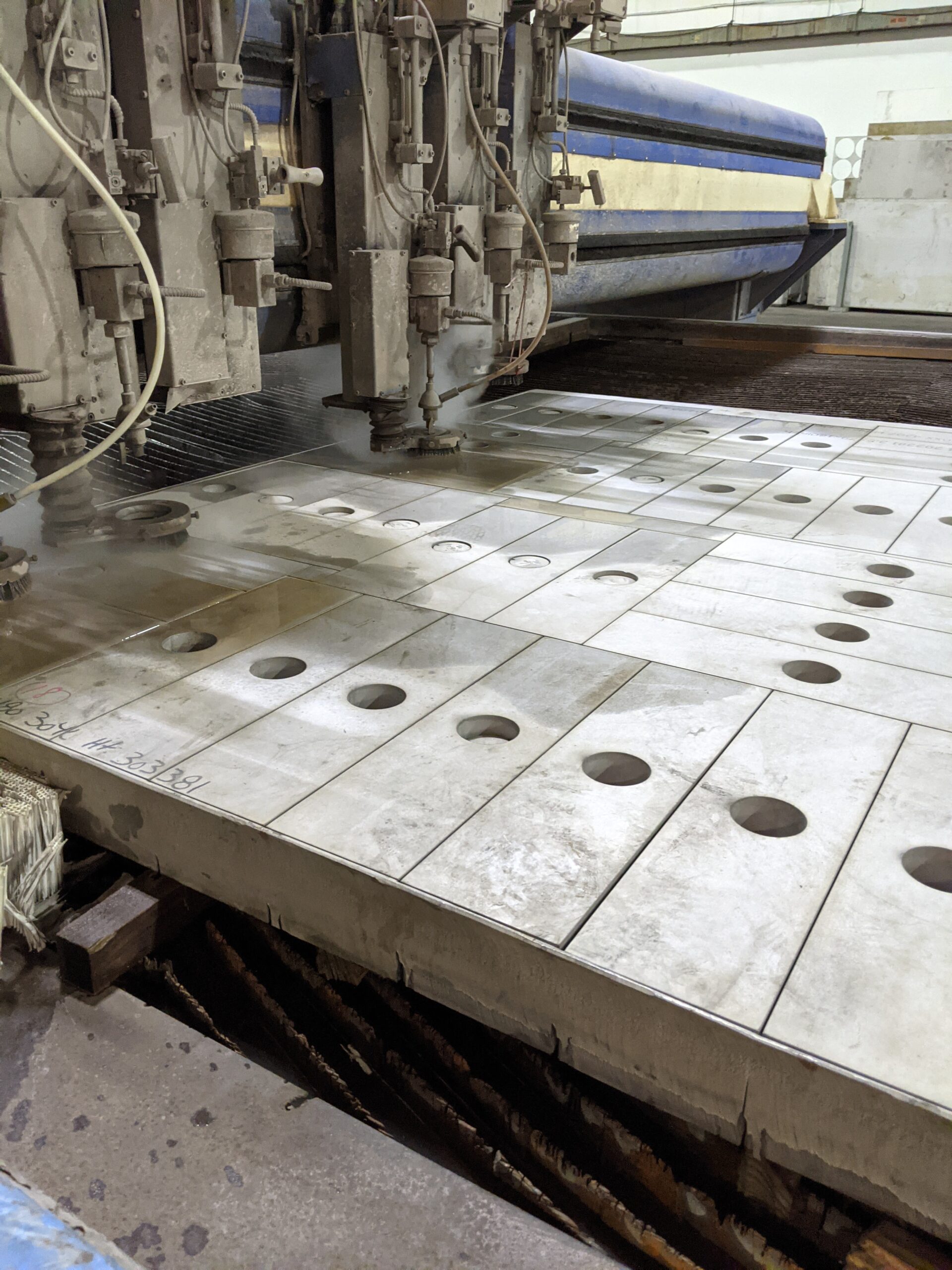
Our Ward Jet has six cutting heads allowing for large quantities of the same part to be cut more cost effectively than with a single head or two head machine.
A variety of edge finishes are available upon request. The edge finish will effect the tolerances and quality of cut. By offering multiple types of edge finishes, allows for a customer to work within their budget.
Our three CNC water jets are:
- Ward Jet
- 6 cutting heads
- 60KSI system
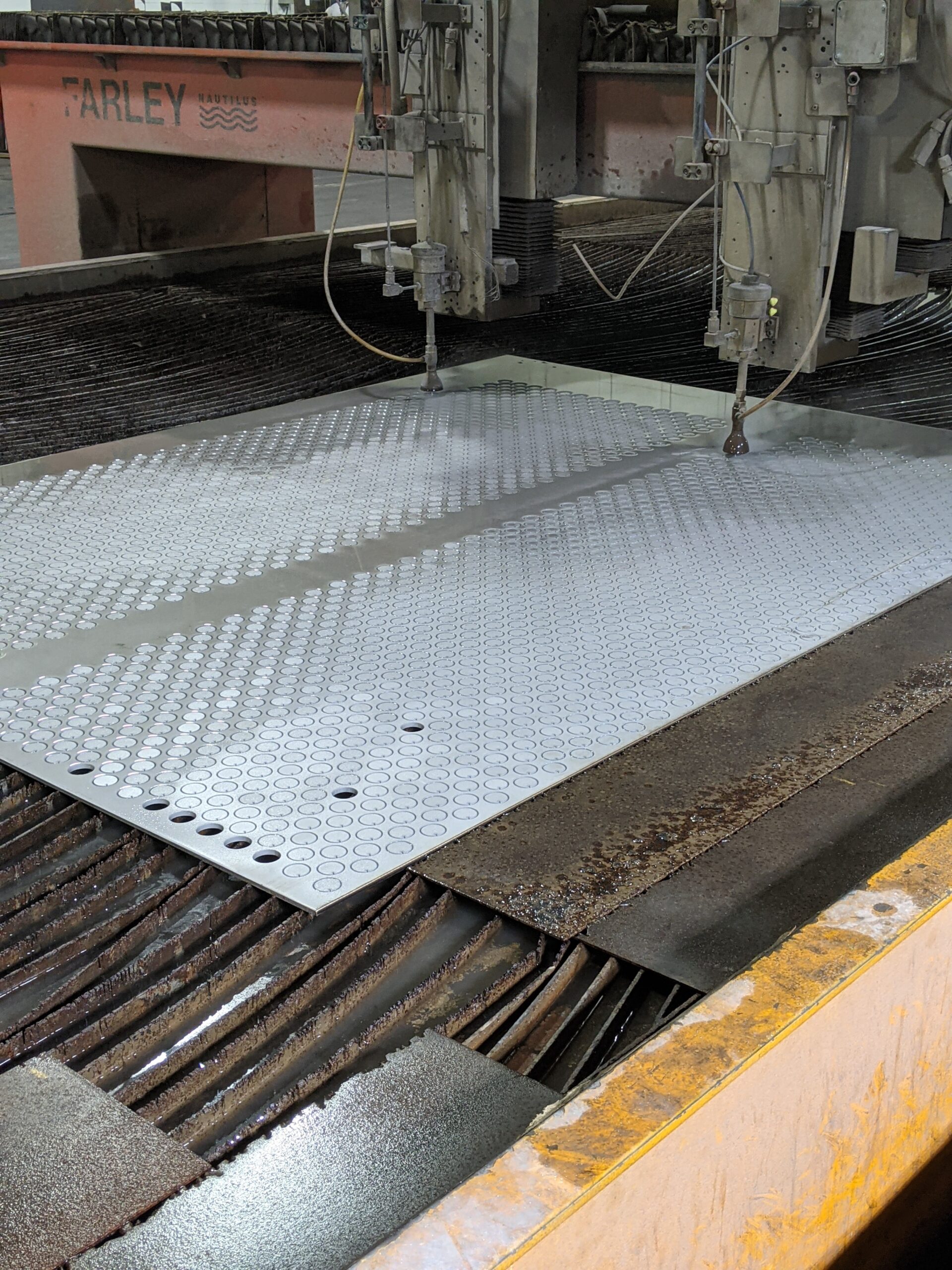
- Farley Nautilus
- 2 cutting heads
- 60KSI system.
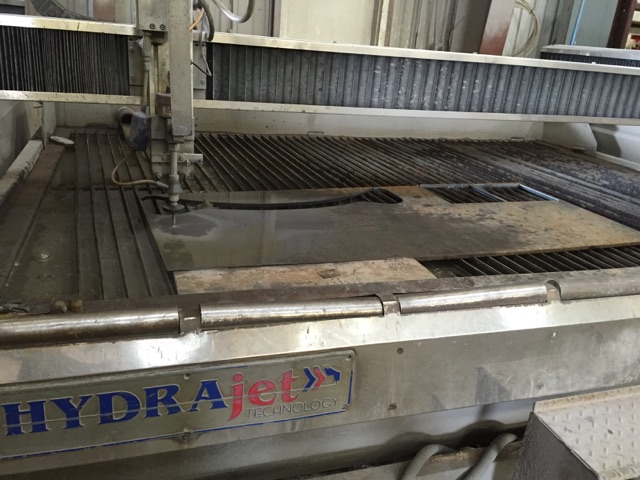
- HydraJet
- 1 KMT cutting head
- 90KSI system.
Contact Us today for your water jet cutting needs, to get a quote, or for more information.
-
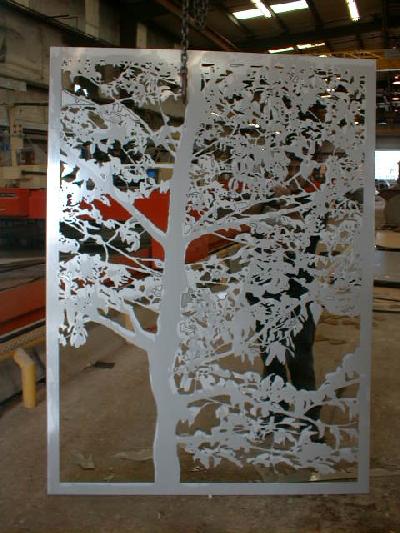
- 1/8″ aluminum water jet cut tree silhouette for entry gate
-
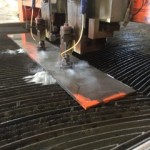
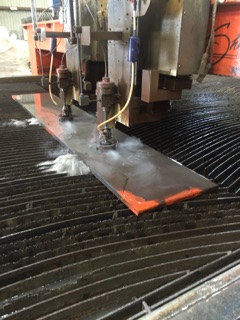
- Cutting 1″ plate with two heads
-
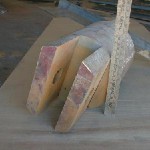
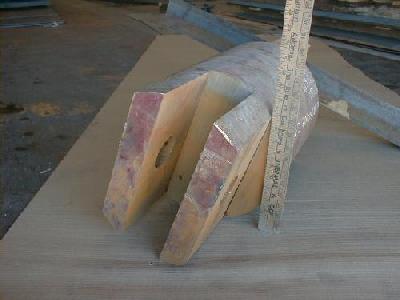
- Cutting 12-1/2″ rod for a clevis in the marine industry
-
- Hydrajet cut
-
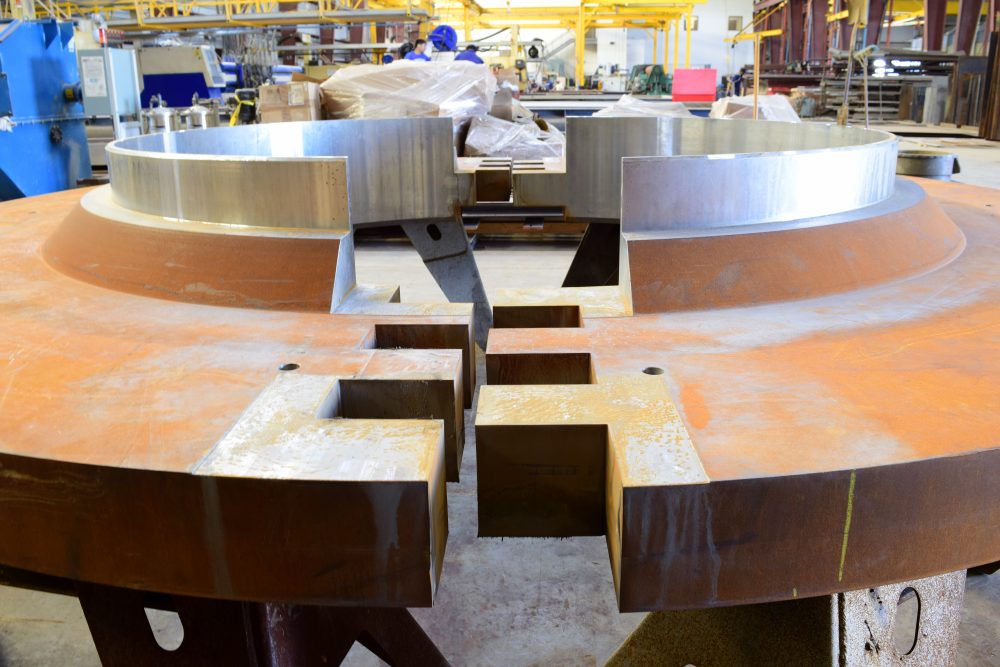
- 5 1/2″ thick flange cut on Water Jet
-
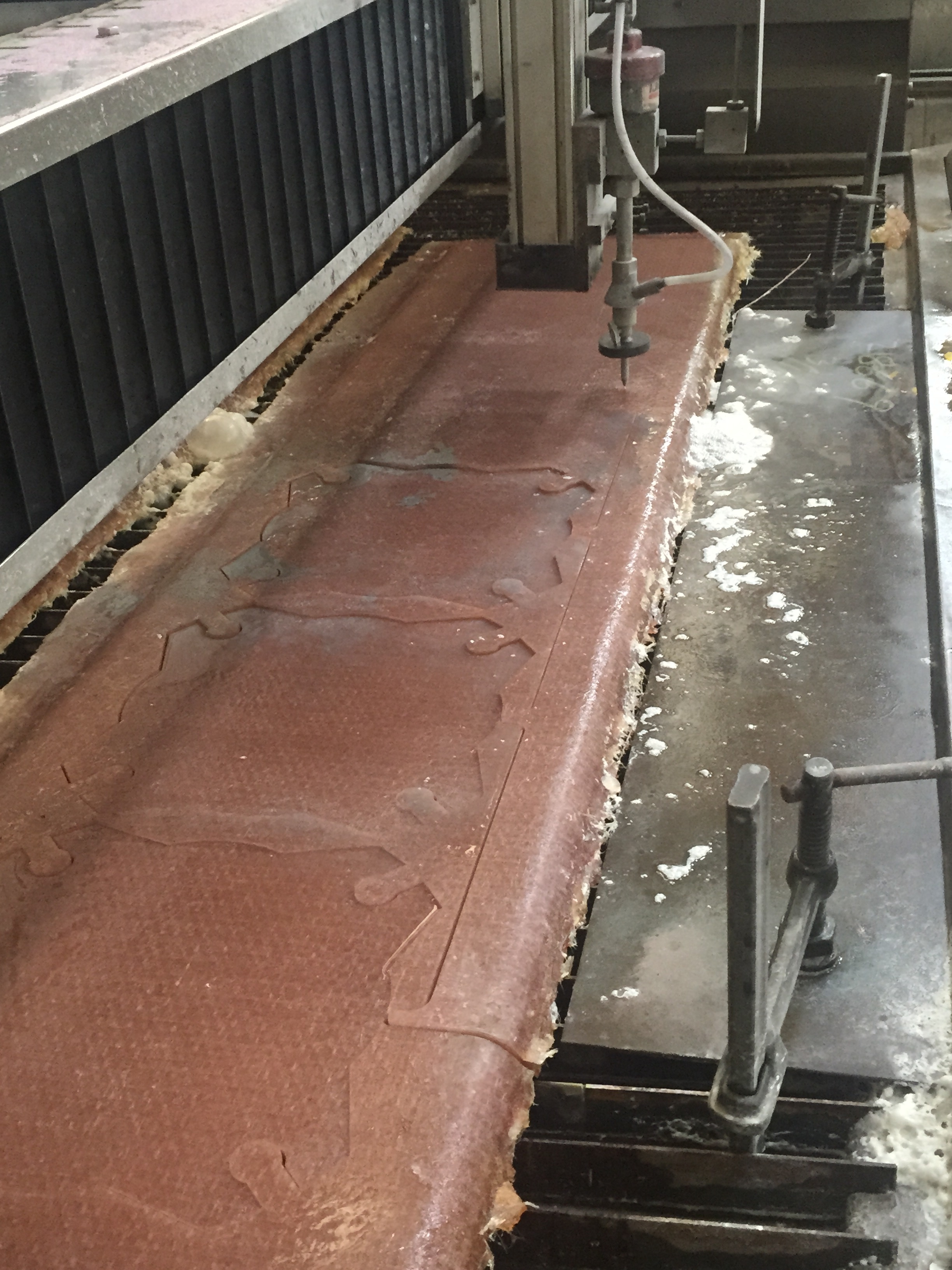
- Fiberglass cutting on a Water Jet
-
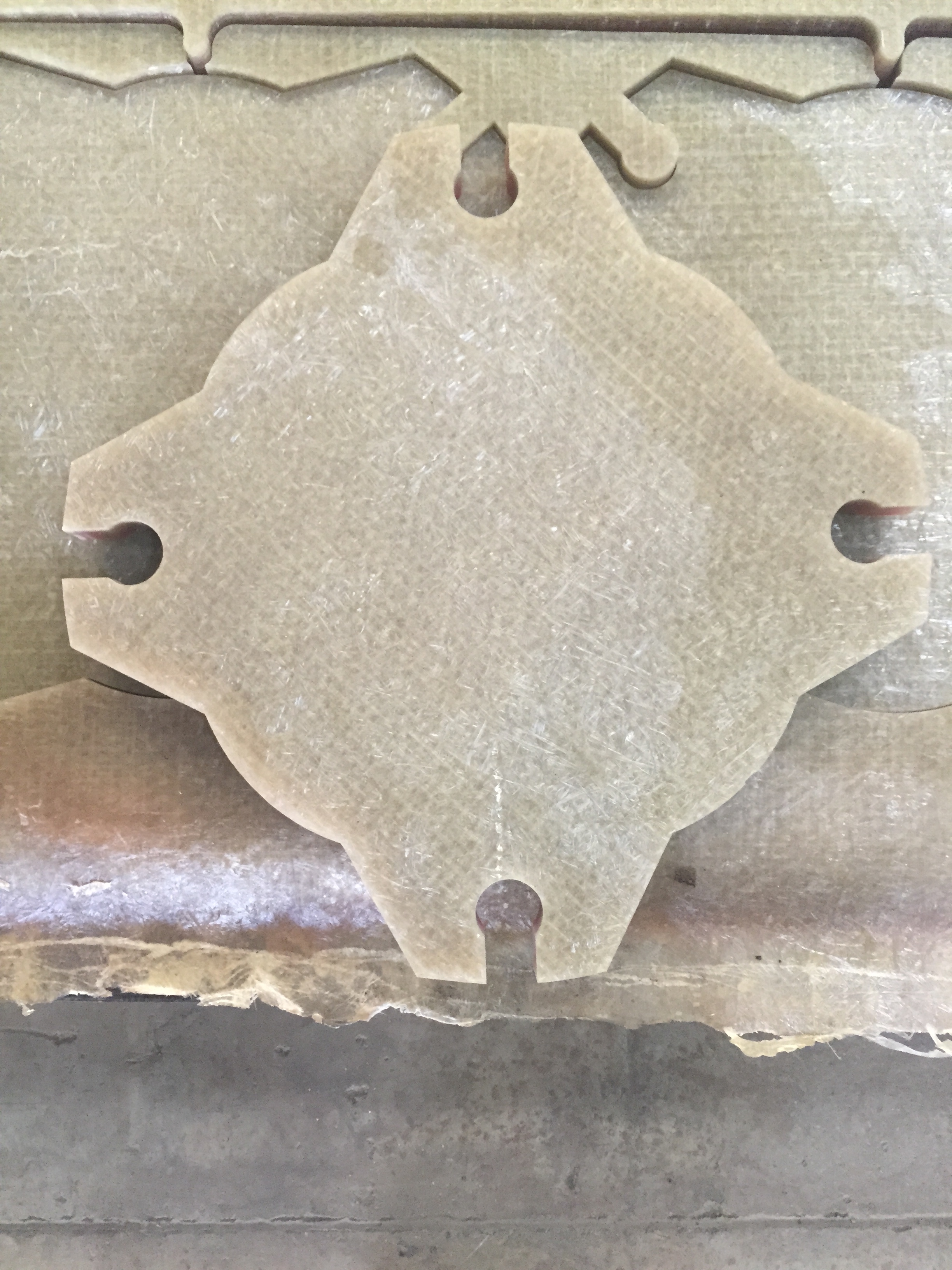
- Piece of fiberglass cut by a Water Jet
-
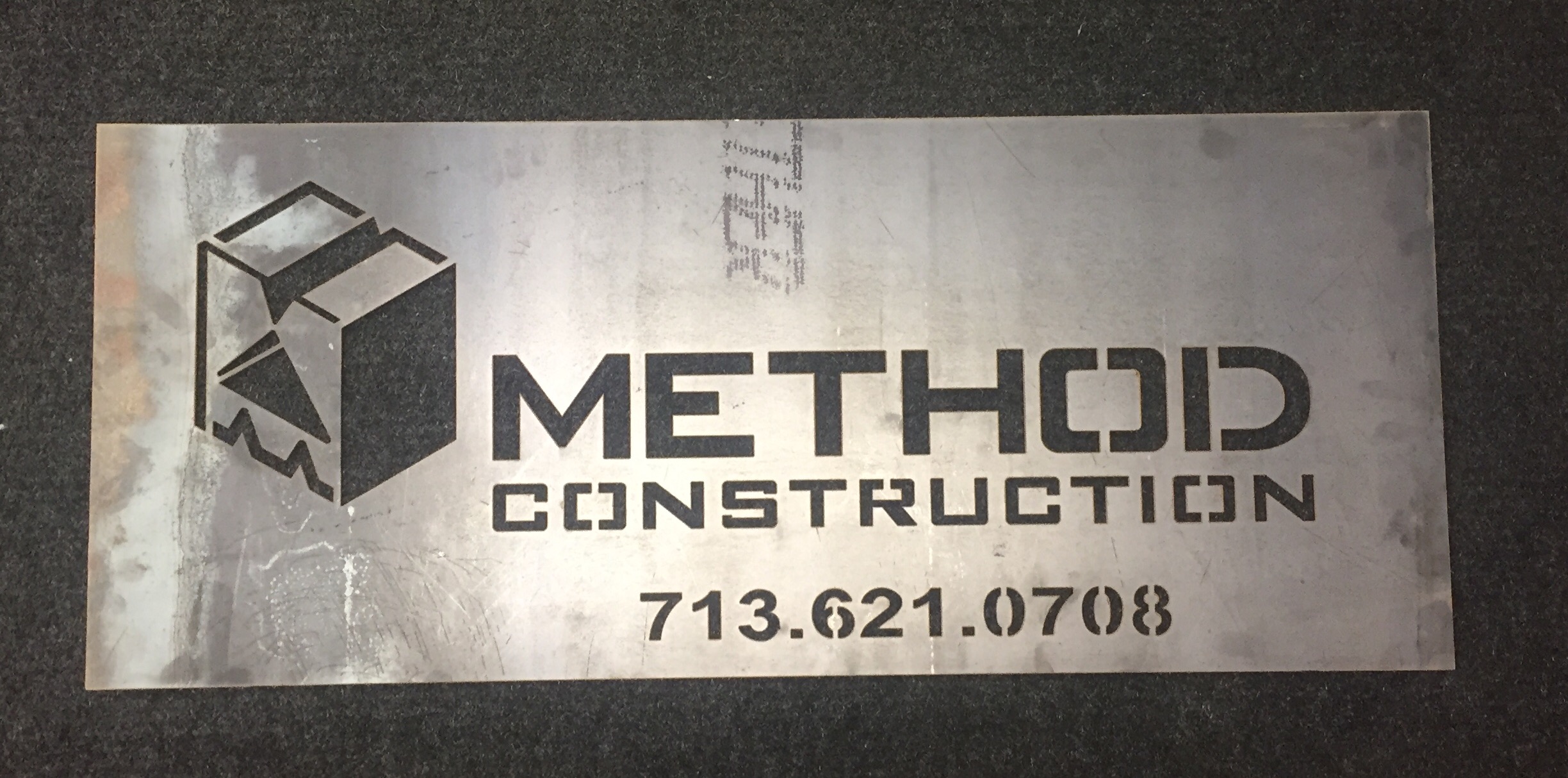
- Metal Sign cut on the Water Jet
-
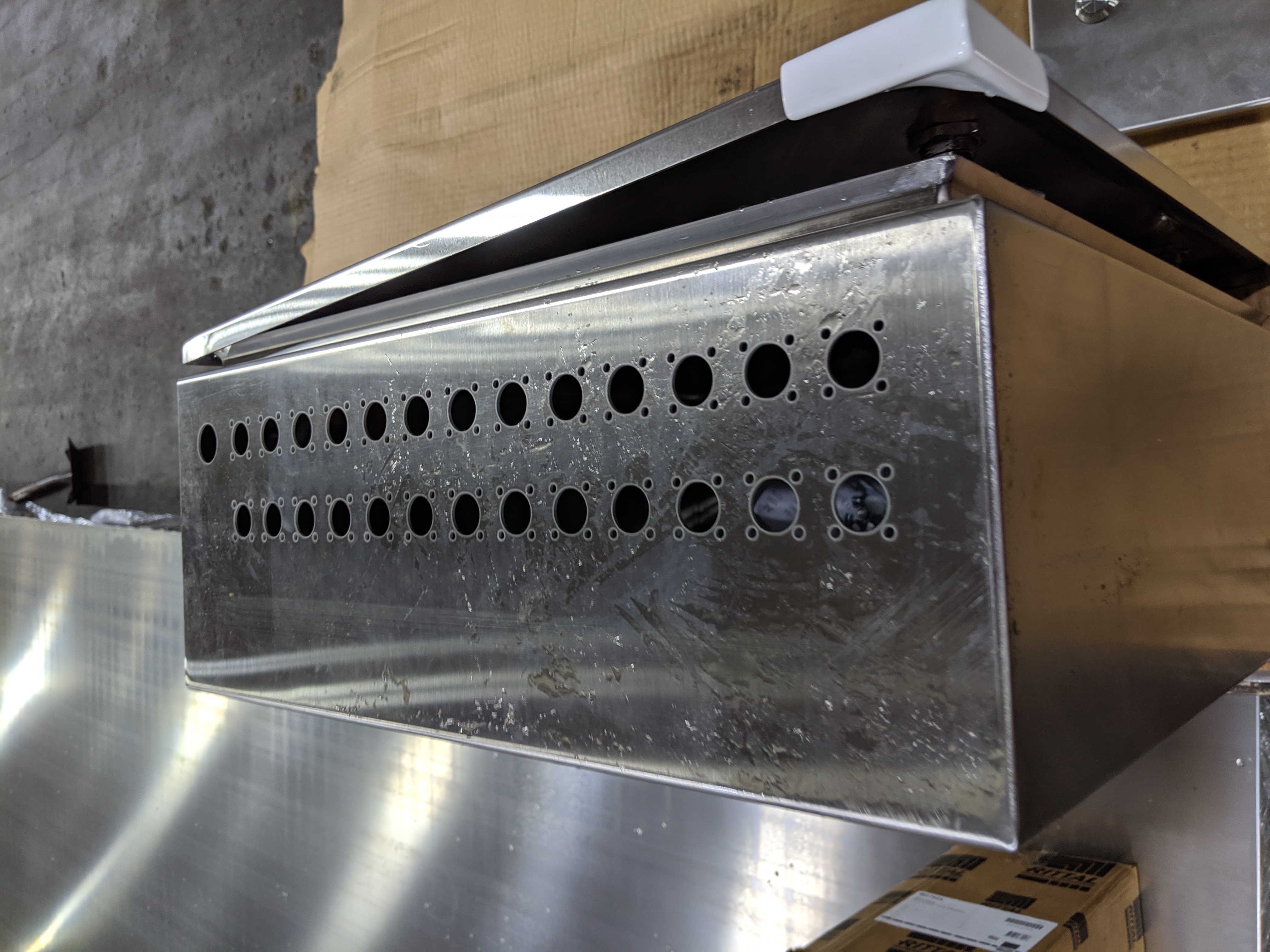
- Waterjet holes in electrical box
-
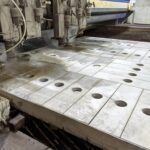
- Our two head waterjet cutting 3″ thick stainless steel.
-
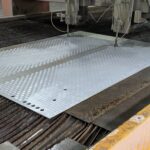
- Custom perforation being cut on the waterjet.